

 Independent rankings · Transparent methodology · No pay-to-rank placements


 Editorial pick



 Buyer Type











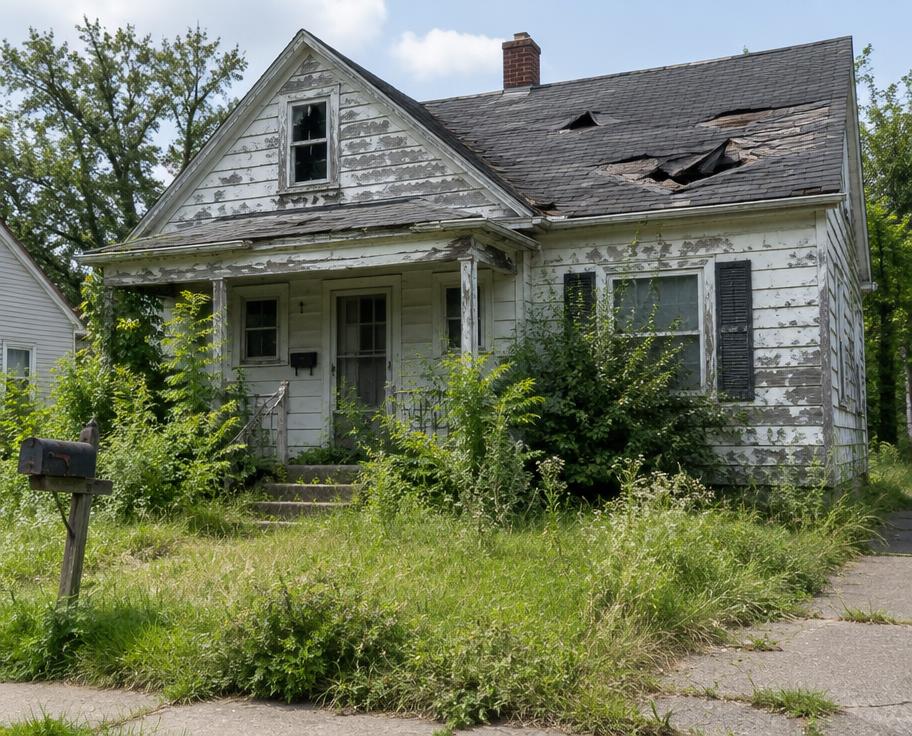

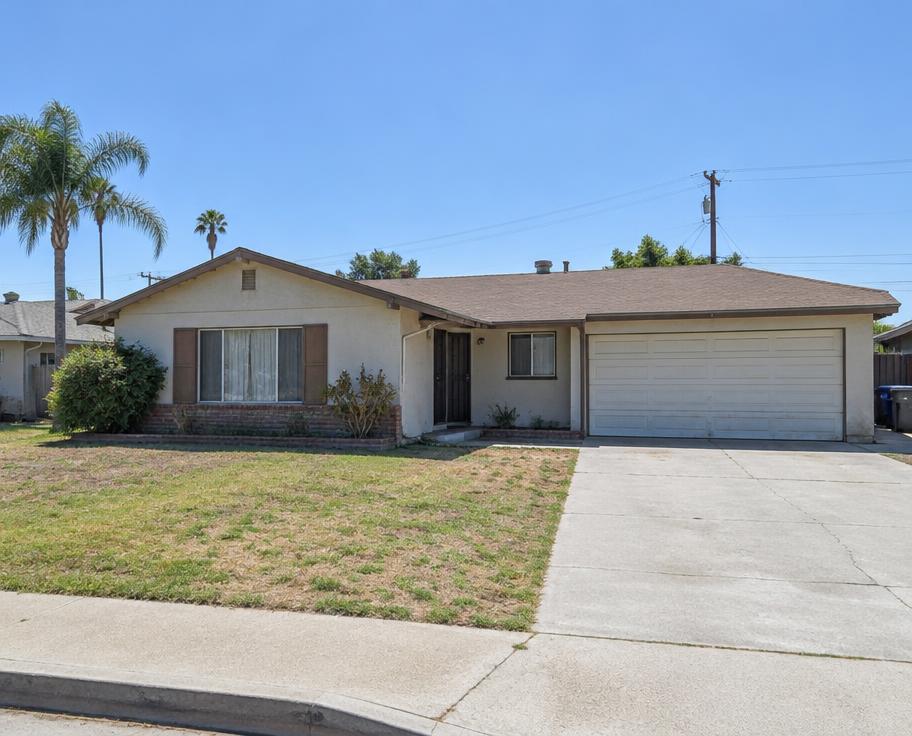


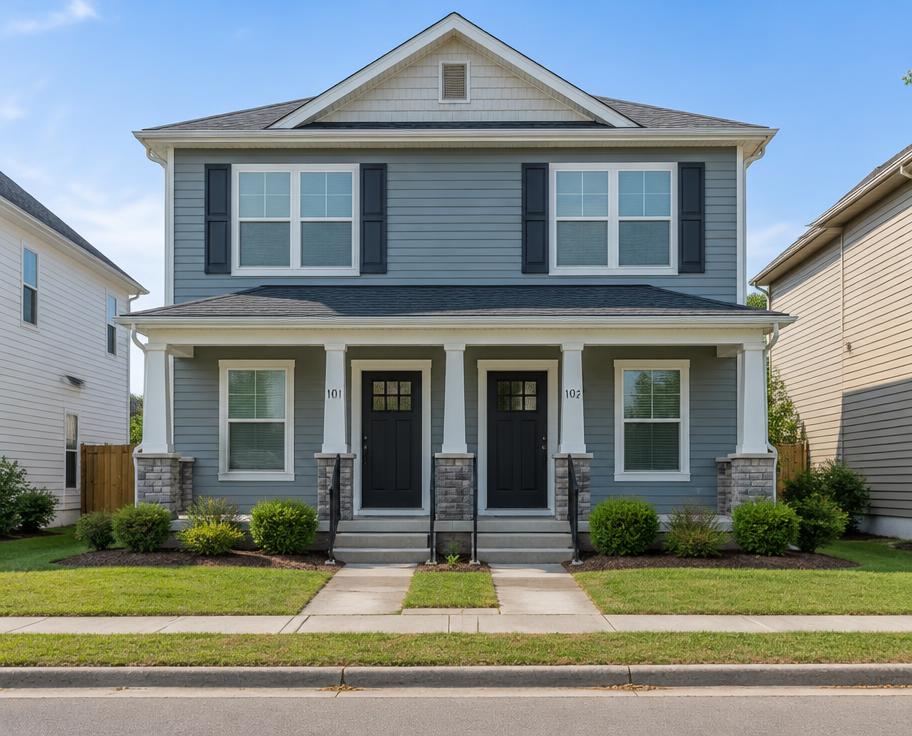




 Your decision


 FROM THE RESEARCH DESK
Selling a home in Southern California
Comparing Cash Home Buyers in Southern California
Cash home buyers in Southern California fall into three main groups: iBuyers that make computer-generated offers online, direct buyers that review a house and buy it as it is, and offer platforms that collect bids from other buyers. A cash sale usually trades some price for less preparation and less risk from a buyer's loan.
What 'Cash Home Buyer' Actually Means in Southern California
A cash buyer is a purchaser who does not need a mortgage to close. No lender has to approve the purchase, and no loan-driven appraisal can stall the deal. The money may come from the buyer's own funds or from a credit line arranged in advance. Either way, the seller is not waiting on a bank's decision about someone else's loan.
This page covers Los Angeles, Orange, San Diego, Riverside, San Bernardino and Ventura counties. The companies that make cash or quick offers here fall into three groups:
- iBuyer. A company that makes an automated offer online, then buys the home directly.
- Direct buyer. A local or regional investor that looks at the property and buys it as-is, meaning in its current condition, with no repairs by the seller.
- Offer platform, or marketplace. A service that collects one set of property details and passes it to several buyers, who may then send offers.
The Three Main Types of Buyers: iBuyers, Direct Buyers, and Offer Platforms
How the offer is produced is the clearest way to tell the three types apart. The overview of how cash home buyers work covers each model in more depth.
Scroll to compare all details →
| Buyer type | How the offer is made | Properties it often considers | How it is often paid |
|---|---|---|---|
| iBuyer | An automated valuation model produces an initial online offer | Move-in or near-move-in condition, in certain zip codes | A service fee instead of a commission |
| Direct buyer | A person reviews the property | Wide range, including disrepair, tenants, probate, title issues | A lower price that reflects repairs and resale |
| Offer platform | Several buyers respond to one listing of details | Depends on the buyers in its network | Platform fees vary, and some are lead networks |
An automated valuation model (AVM) estimates a home's value from sales records and property data. An iBuyer's first number can come from an AVM. The offer may then be adjusted after an inspection.
An offer platform is not always the buyer. Some platforms generate leads for others, so the company that actually signs the contract may be a local investor.
Assignment means the buyer transfers its purchase contract to another buyer before closing. Some investors do this. A seller can ask any buyer whether it intends to assign the contract.
A contingency is a condition that has to be met before the sale can go forward. Common contingencies cover inspection, financing and appraisal. Cash buyers usually drop the financing contingency but may keep an inspection contingency.
Earnest money is a deposit the buyer places in escrow to show it is committed to the purchase. How much is deposited, and when it can be refunded, depends on the contract.
No type fits every situation. Each one trades something against the others.
How a Cash Sale Compares to Listing with a Licensed Real Estate Agent
A cash or as-is offer may be lower than what the house could bring on the open market. In exchange, the seller usually has less preparation to do, fewer showings to host, and less dependence on a buyer's loan coming through. That is the central trade-off, and it applies to every cash path described above.
Scroll to compare all details →
| Point | Cash or as-is sale | Listing with an agent |
|---|---|---|
| Price | May be below open-market value | Set by open-market demand |
| Preparation | Little or none | Repairs, staging, showings |
| Timeline | Cash buyers often say they close quickly | Depends on the market, the buyer's lender and the inspection |
| Certainty | No buyer loan that can fall through | A financed buyer's loan can fail |
The comparison of a cash buyer and a realtor listing walks through these differences step by step.
What Southern California Sellers Typically Ask About Repairs, Condition, and Timelines
Whether "as-is" means the price cannot change is one of the most common doubts. In a cash buyer's marketing, as-is usually means the seller will not be asked to make repairs before closing. The buyer may still inspect the property and adjust its offer based on what the inspection finds. A seller can ask any buyer two direct questions: is the offer subject to an inspection contingency, and can the price change after the inspection?
Condition. Direct buyers and investor networks often consider homes with:
iBuyers usually do not. This is one of the sharper dividing lines between the models.
How to Compare Offers and Evaluate Net Proceeds
One way to compare offers on equal terms:
- Get written offers from more than one type of buyer.
- Ask each buyer to itemize every deduction.
- Ask whether the price can change after the inspection.
- Ask who pays closing costs.
- Subtract every deduction and compare the resulting net figures side by side.
The guide to how cash buyers calculate offers and the page on cash buyer fees and closing costs explain where these figures come from. A reader can ask Top10HomeBuyers to compare the selling paths and home buyers that may fit their property. That comparison is not an offer, carries no obligation, and promises no price, offer, speed or outcome.
California Rules That Apply Regardless of How You Sell
California's seller disclosure rules do not change based on the type of buyer. Civil Code section 1102, subdivision (a), says the disclosure article applies, with exceptions set out in Section 1102.2, to "any transfer by sale, exchange, real property sales contract … lease with an option to purchase, any other option to purchase, or ground lease coupled with improvements of any single-family residential property." Subdivision (c) of the same section says that "any waiver of the requirements of this article is void as against public policy." In other words, unless an exception applies, a sale to an iBuyer, a direct buyer or a financed buyer is still a sale under this rule, and the seller cannot sign away these requirements. A real estate attorney can say which disclosures apply to a particular property and whether any exception covers it.
Licensing. The California Department of Real Estate (DRE) licenses real estate brokers and salespersons, and its website at dre.ca.gov provides public license records. A seller can look up a company or person there. Whether a given role in a transaction requires a license is a question a real estate attorney can answer.
Questions to Ask Any Cash Buyer Before Signing
Written answers to a few questions make offers comparable and expose terms that might otherwise go unnoticed. Sellers often gather answers to these:
- Does the buyer hold a DRE license, or is it buying as a principal, for its own account? A real estate attorney can explain when a license is required.
- Is the offer subject to an inspection contingency, and can the price change after the inspection?
- Will the buyer assign the contract to someone else before closing?
- What fees, service charges or repair deductions come out of the headline price?
- Who pays closing costs, escrow fees and transfer taxes?
- What is the proposed closing date, and what could delay it?
- Is earnest money required, and when is it refundable?
A seller can also read independent reviews and check any licensing record before deciding. The pages on questions to ask a cash buyer and checking a cash buyer's legitimacy go further into both.